DWI Prosecutor Tactics in Texas: What You Need to Know
Texas DWI prosecutor tactics are the specific legal strategies and evidentiary methods that Montgomery County and other Texas prosecutors use to secure convictions against drivers charged with Driving While Intoxicated. Understanding these methods is not just reassuring. It is the first step toward building a defense that actually works. From exploiting the 15-day Administrative License Revocation (ALR) deadline to leveraging No Refusal blood draw warrants, prosecutors move fast and with precision. If you are facing DWI charges in Texas, knowing what is coming gives you a real chance to respond.
1. How prosecutors exploit the 15-day ALR hearing deadline
The ALR deadline is one of the most powerful tools in any Texas DWI prosecutor’s arsenal, and most defendants do not even know it exists. Texas law requires a written request for an ALR hearing within 15 days of arrest to avoid automatic license suspension. That window is not a suggestion. It is a hard cutoff.
If you miss that deadline, your license is suspended automatically. A first-offense failed chemical test results in a 90-day suspension. A refusal to test triggers a 180-day suspension. Neither outcome depends on how your criminal case turns out. The administrative suspension happens independently of the courtroom verdict.
Prosecutors benefit from this deadline in two ways. First, defendants who miss it lose their driving privileges before the criminal case even begins, which creates immediate pressure to accept a plea deal. Second, the ALR hearing itself gives defense attorneys a rare opportunity to cross-examine the arresting officer under oath before trial. Prosecutors know this and count on unprepared defendants to forfeit that advantage.
- Request your ALR hearing in writing within 15 days of arrest, without exception
- Hire an attorney immediately so the deadline is never missed
- Understand that the ALR process and your criminal case run on separate tracks
- Use the ALR hearing to gather sworn testimony from the arresting officer
Pro Tip: The ALR hearing is one of the few pre-trial opportunities to lock in officer testimony. A skilled defense attorney uses this hearing to expose inconsistencies that can be used at trial.
You can learn more about how ALR hearings work and why requesting one immediately after arrest is non-negotiable.
2. Evidence collection tactics Texas prosecutors rely on
Texas prosecutors build DWI cases on three pillars: chemical test results, field sobriety test observations, and officer testimony. Each pillar is chosen because it carries weight with juries and is difficult to challenge without specialized knowledge.
- No Refusal blood draw warrants. Prosecutors use No Refusal initiatives to obtain blood draw warrants when drivers refuse chemical tests. This tactic bypasses the consent question entirely. During peak enforcement periods like New Year’s Eve, judges are on call specifically to sign warrants within minutes of a refusal.
- Breath and blood test legal presumptions. A blood alcohol concentration (BAC) of 0.08 or above creates a legal presumption of intoxication under Texas law. Prosecutors use this number to shift the burden of explanation onto the defense.
- Field sobriety tests. Field sobriety tests are voluntary in Texas and can be refused without penalty. Prosecutors still use the results to establish probable cause and paint a picture of impairment for the jury.
- Dashcam and bodycam video. Officers document stops on video, and prosecutors present this footage as objective evidence. Slurred speech, unsteady movement, and fumbling for documents all become part of the narrative.
- Officer testimony. Prosecutors rely heavily on officer testimony to validate every piece of physical evidence. Officers are trained witnesses who know how to present observations clearly and credibly.
“Challenges to field sobriety tests and chemical test results are central to defense strategies, but prosecutors work hard to emphasize their reliability and the credibility of the arresting officer.” — DWI Defense Insights from Former Prosecutors
Understanding how this evidence is assembled helps you and your attorney identify where the weakest links are before trial.
3. How plea bargaining tactics work in Texas DWI cases
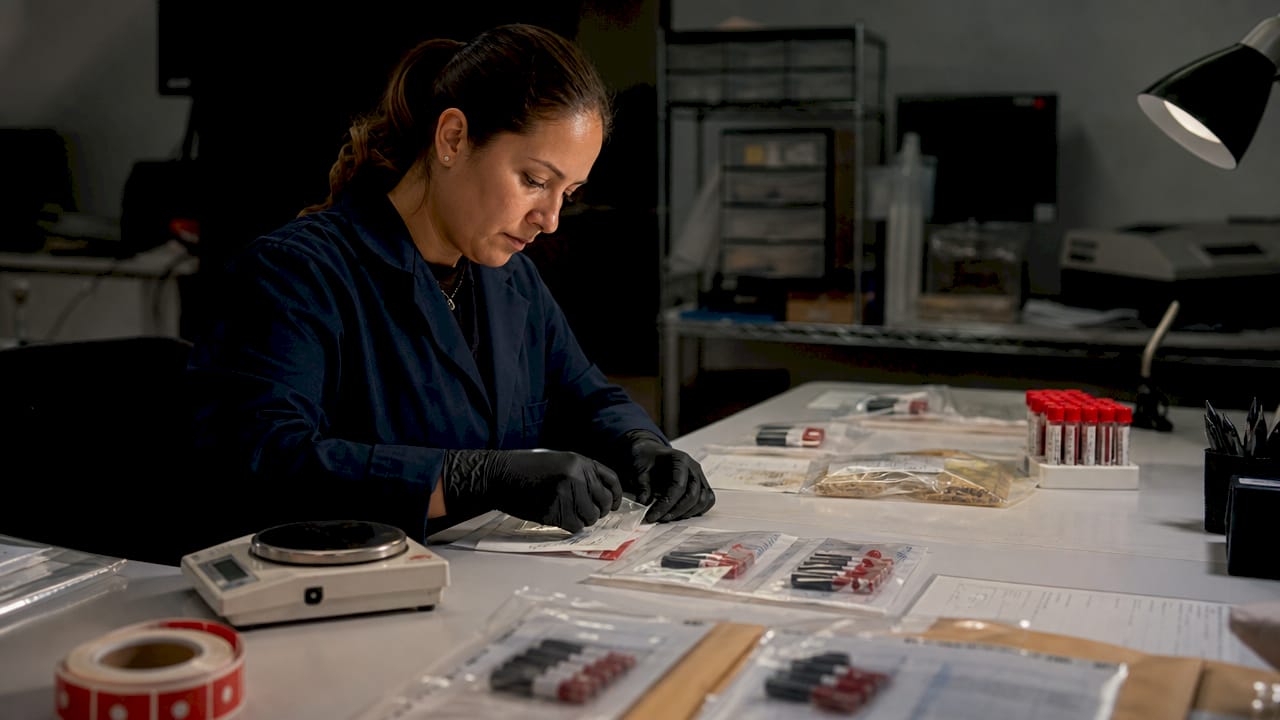
Plea negotiations in Texas DWI cases follow a predictable pattern once you know what to look for. The first offer from the prosecutor is rarely the best offer. Accepting the initial plea before reviewing discovery is one of the most costly mistakes a defendant can make. That first offer is a probe designed to test how desperate or uninformed you are.
Texas DWI cases carry a specific pressure that does not exist in many other states. No deferred adjudication option exists for DWI charges under Texas Code of Criminal Procedure Article 42A.102(b). A conviction becomes a permanent criminal record with no path to deferred probation. Prosecutors know this and use it as leverage.
Several factors shape how much flexibility a prosecutor will show during negotiations:
- Strength of the evidence. A BAC well above 0.08, clear video, and a cooperative officer give the prosecutor little reason to negotiate aggressively.
- Your prior record. A first offense with no criminal history opens more doors than a second or third DWI charge.
- Enforcement campaign timing. Holiday enforcement campaigns increase arrest rates and prosecutorial pressure. Cases arising from No Refusal weekends are prosecuted with particular intensity.
- Refusal and high BAC readings. Refusing a chemical test or registering a BAC significantly above the legal limit gives the prosecutor a stronger narrative and less incentive to offer a favorable deal.
An experienced defense attorney who knows the Montgomery County courthouse, the prosecutors, and the judges is your most effective tool in this phase. Generic legal representation rarely produces the same results as counsel with direct insider knowledge of local Texas DWI prosecution strategies.
4. How prosecutors counter defense strategies and exploit procedural mistakes
Prosecutors do not just build cases. They actively work to dismantle yours. Aggressive cross-examination and detailed scrutiny of defense evidence are hallmarks of effective Texas DWI prosecution. If your defense relies on an expert witness, expect the prosecutor to challenge that witness’s qualifications, methodology, and conclusions in front of the jury.
Here is how common defense approaches are countered in practice:
| Defense tactic | How prosecutors respond |
|---|---|
| Challenge field sobriety test administration | Argue officer followed standardized NHTSA protocol; present training records |
| Contest breath test accuracy | Present calibration logs and certified technician testimony |
| Claim medical condition affected BAC | Demand medical records and cross-examine treating physicians |
| Argue lack of probable cause for stop | Rely on dashcam footage and officer testimony to justify the stop |
| Challenge blood draw chain of custody | Present lab documentation and technician testimony |
Procedural mistakes by the defense are equally exploited. Missing a discovery deadline, failing to file a suppression motion on time, or submitting incomplete requests gives the prosecutor room to exclude evidence that could have helped you. Prosecutors also apply pressure by making it clear that the offer on the table will not improve as the trial date approaches.
Pro Tip: File all discovery requests early and completely. Incomplete or late requests give prosecutors grounds to limit what evidence you can access before trial.
If you have been charged with a more serious offense arising from a DWI incident, such as intoxication assault or felony DWI, the prosecutorial pressure and the complexity of these counter-tactics increase significantly.
Key takeaways
Texas DWI prosecutors use deadline pressure, layered evidence collection, and aggressive cross-examination to build cases that are difficult to challenge without experienced defense counsel.
| Point | Details |
|---|---|
| ALR deadline is non-negotiable | Request your ALR hearing within 15 days of arrest or face automatic license suspension. |
| First plea offer is a probe | Never accept the initial offer before your attorney reviews all discovery materials. |
| No Refusal warrants close the refusal loophole | Refusing a chemical test does not prevent evidence collection during enforcement campaigns. |
| Procedural errors cost defendants | Missed deadlines and incomplete discovery requests give prosecutors grounds to limit your defense. |
| Permanent record risk is real | Texas DWI convictions cannot be deferred, making every case worth fighting with full preparation. |
What I have learned from watching prosecutors work these cases
Having spent years on both sides of the Texas courtroom, I can tell you that the defendants who fare worst are the ones who underestimate how prepared the prosecution already is by the time charges are filed. By the time you are arrested, the officer has already written a report, the video has been preserved, and the chemical test results are being processed. The prosecution’s case is being built before you have even thought about calling a lawyer.
The single most important thing I have observed is this: defendants who hire experienced counsel within the first 48 hours consistently have more options than those who wait. The ALR deadline alone makes that point concrete. Miss it, and you lose your license regardless of what happens in court. Act on it, and you gain a pre-trial deposition of the arresting officer that most defendants never get.
I also want to be direct about something most articles skip. Not every DWI case should go to trial. Some cases have strong suppression arguments. Others are better resolved through negotiation once the discovery reveals weaknesses in the prosecution’s evidence. The skill is knowing which path fits your specific facts. That judgment only comes from an attorney who has actually tried these cases, not just settled them. Choose your defense counsel accordingly.
— Gregg
How Dwimontgomery defends clients against Texas DWI prosecution

Dwimontgomery, led by former Texas Judge and Prosecutor Mike Seiler, is built specifically to counter the tactics described in this article. Mike Seiler has sat on both sides of the courtroom, which means he knows exactly how Montgomery County prosecutors think, what evidence they prioritize, and where their cases are most vulnerable. From ALR hearings to felony-level charges, the firm handles every stage of Texas DWI defense with the kind of insider knowledge that generic criminal defense firms simply cannot offer. If you are facing DWI charges in Conroe, The Woodlands, Magnolia, or anywhere in Montgomery County, contact Dwimontgomery at dwimontgomery.com to protect your license and your future.
FAQ
What happens if you miss the 15-day ALR deadline in Texas?
Missing the 15-day ALR deadline results in automatic license suspension of 90 days for a failed test or 180 days for a refusal, regardless of how your criminal case resolves.
Can you refuse a breath test during a Texas No Refusal weekend?
You can refuse, but prosecutors will obtain a blood draw warrant within minutes under No Refusal initiatives, so refusal does not prevent chemical evidence from being collected.
Is a Texas DWI conviction permanent?
Yes. Texas excludes DWI from deferred adjudication under Article 42A.102(b) of the Texas Code of Criminal Procedure, meaning a conviction becomes a permanent criminal record with no deferred probation option.
Should you accept the first plea offer from a Texas DWI prosecutor?
No. The first plea offer is typically a probing tactic to test your urgency, not a reflection of the prosecution’s actual assessment of the case’s strength.
How do prosecutors use field sobriety tests in Texas DWI cases?
Prosecutors use field sobriety test results to establish probable cause and demonstrate impairment to the jury, even though the tests are voluntary and can be challenged based on improper administration or officer error.
Recommended
- Intoxication Assault – The Seiler Law Firm
- Montgomery County DWI Lawyer | Former Judge Mike Seiler – The Seiler Law Firm
- Underage DUI – The Seiler Law Firm
- Boating DWI – The Seiler Law Firm
Article generated by BabyLoveGrowth